
C14 · 食品制造
为食品制造选择 304/316L 不锈钢板材:选择并列出 8 个部件
食品行业 8 种不锈钢部件清单:常用 304 / 316L / 430,厚度 0.6–8 mm。
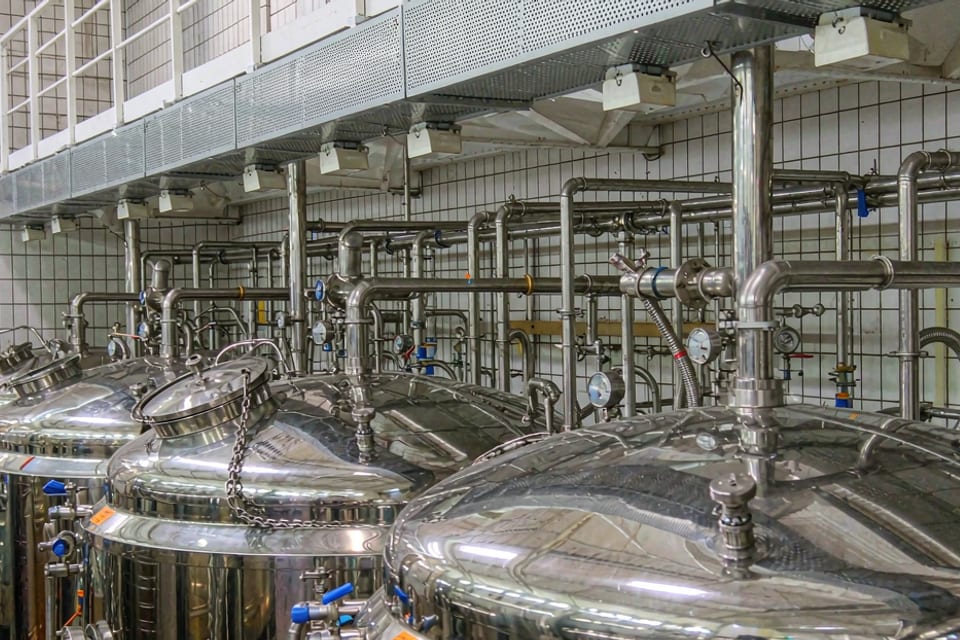
8 个部位及材料清单
| 部位 / 部件 | 推荐牌号 | 尺寸 / 厚度 | 表面 | 主要失效模式 | 参考标准 |
|---|---|---|---|---|---|
| 烤箱内胆/烟道 | 304/430 | 0.8–2.0mm | 2B,Ra≤0.8μm | 高温氧化 + 脂肪酸碳化 + 清洗剂 | GB/T 3280;GB 4806.9 |
| 烤盘/烤架 | 304/430/316L | 0.6–1.5mm | 2B / 压花 / 涂层 | 油脂腐蚀 + 刮擦 + 热循环变形 | GB/T 3280;GB 4806.9 |
| 隧道式输送带 | 304/314 | 线径 1.0–3.0mm | 抛光 / 哑光 | 热疲劳 + 蠕变伸长 + 积碳 | GB/T 17492;GB/T 3280 |
| 糖浆锅/熔糖罐 | 304/316L | 2.0–5.0mm | 2B,Ra≤0.8μm | 高糖 + 高温 + 清洗剂;焊缝晶间腐蚀 | GB/T 3280;GB 4806.9 |
| 巧克力抛光/成型接触面 | 304 | 1.5–4.0mm | 2B / 镜面 Ra≤0.4μm | 油脂 + 糖粉磨损 + 清洗 | GB/T 3280 |
| 油炸锅 | 304/316L | 2.0–6.0mm | 2B | High temp oil + salt + acidic cleaner | GB/T 3280; GB 4806.9 |
| High salt Cl⁻ + organic acid + microbial corrosion | 316L | 3.0–8.0mm | 2B, Ra≤0.8μm | Fermentation Tank | GB/T 3280; NB/T 47014 |
| Food workstation/Bin | 304/316L | 1.0–3.0mm | 2B/Rolled | Cleaner, Wear, Food Contact | GB/T 3280; GB 4806.9 |
TableBasic Configuration. Find Products, . Explore Suppliers, . Get Quotes, . About Us
Material Selection Tips
- The most common grades in this industry are 304 (7), 316L (5), and 430 (2) — the numbers in parentheses indicate the number of parts involved, which is useful for quoting and material ordering.
- The high-temperature section also accumulates thermal fatigue and oxidation. Use 310S / heat-resistant castings (5/8 hit).
- Frequent cleaning and disinfection magnify the risk of intergranular corrosion (5/8 hit).
- Thickness range 0.6–8 mm: thin plates are typically formed parts (consider bending springback and deep drawing cracking), while thick plates are typically welded structures (consider heat input and sensitization).
Common issues
What stainless steel is used most in food manufacturing?
Top 8 parts by total number: 304 (7), 316L (5), 430 (2).
Which part is the most problematic?
Typical failure mode: "sugar pot/sugar kettle" — high sugar, high temperature, cleaning agents; weld intergranular corrosion. Recommended grades 304/316L, size 2.0–5.0mm. For this condition, specify media concentration, temperature, and cleaning method in the design phase.
What thickness should I choose?
Thickness range: 0.6–8 mm. Thin plates for forming and surface quality; thick plates for welding strength and structural integrity. Different manufacturers may have different values for the same part based on your drawings or operating conditions. Review with your specific requirements.
Related Materials and Adjacent Industries
Applications8
Thickness0.6–8mm