
B03 · Gas Supply
Stainless Steel Plates for Gas Production and Supply: 316L/304L Selection and 3 Item Lists
In the gas production and supply industry, we have organized three stainless steel parts: commonly used 316L / 304L with thickness ranging from 2–50 mm.
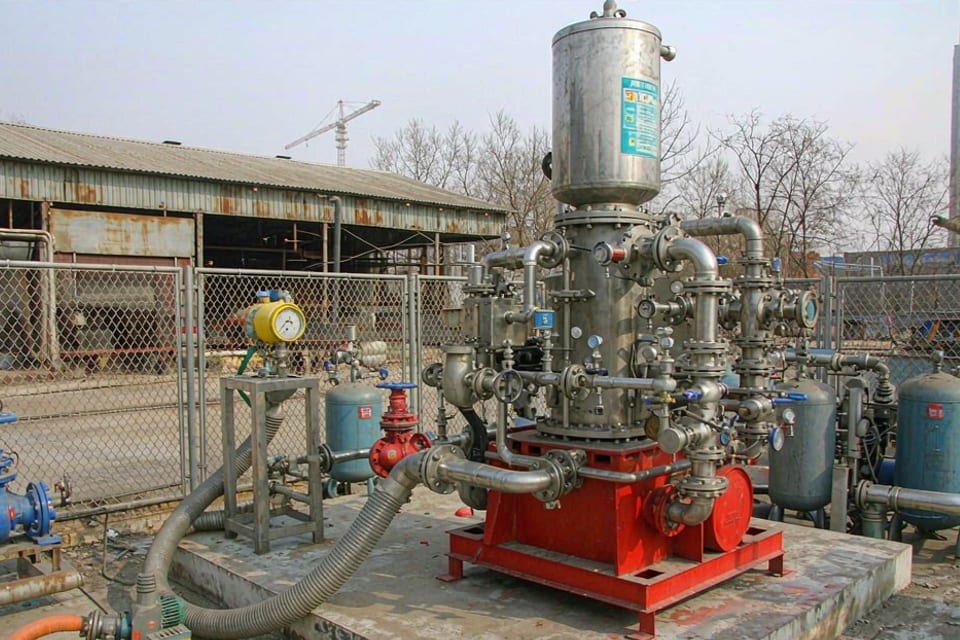
Parts List of Recommended Materials
| Part / Component | Recommended Grade | Specification / Thickness | Surface | Main Failure Modes | Reference Standards |
|---|---|---|---|---|---|
| LNG Tank Inner Shell/ Pipelines | 304L/316L | Inner Shell 3-30mm; Pipelines 2-10mm | 2B/Acid Cleaning | -Cold Brittle Fracture at -165℃ + Thermal Stress + Coastal Cl⁻ | GB/T 26978-2021;ASTM A240;ASTM A312 |
| LNG Vaporizers Tubes | 304L/316L | Tubes φ10-50mm | Brightening/Polishing | Cold Temperatures + Sea Water / Air Heating + Thermal Stress | GB/T 151;ASTM A249 |
| Gas Valves/Forgings/Shock Loaders | 316L/Dual Phase Steel | DN15–DN600 | Passivation/Grounding Surfaces | High Pressure + CO₂/H₂S + Evaporation | GB/T 12224;ISO 15156 |
Table ContainsStandard ConfigurationsSpecify material based on usage conditions.
Material Considerations
- Most common grades in this industry are 316L (3), 304L (2) —— parentheses indicate the number of affected areas, starting point for quoting and material procurement.
- Chloride ions and salt are the most common sources of corrosion (pitting, crevice corrosion) (2/3 hits).
- What about the overheating of hot zones, leading to heat fatigue and oxidation? (310S / Heat-resistant castings if applicable).
- Thickness range 2–50 mm: Thin plates are typically formed parts (consider bending rebound and deep drawing cracking), thick plates are mostly welded structures (consider heat input and sensitization).
Common issues
Which stainless steel is used most in the gas production and supply industry?
How many parts are we looking at?
What's the most common material here?
Which part is prone to issues?
For what kind of material should I choose?
Thickness range in the list is 2–50 mm. For thin plates, consider bending and surface finish; for thick plates, welding and structural strength. Values may vary by manufacturer for the same location. Recheck with your drawing or operating conditions.
Related Materials & Adjacent Industries
Applications3
Thickness2–50mm