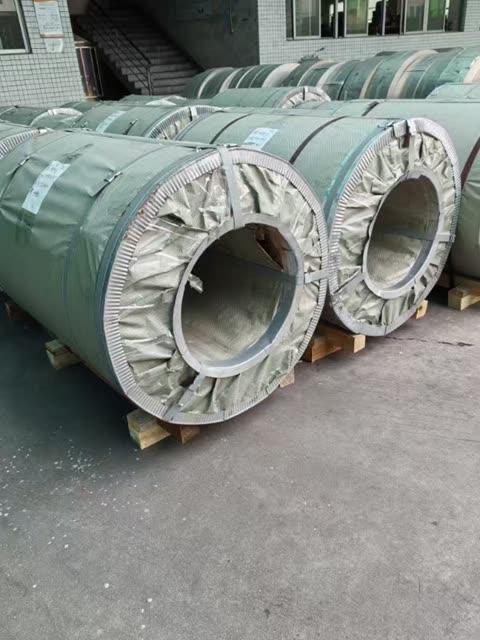
The difference between 304 and 316L comes down to one element: 316L contains 2–3% molybdenum (Mo). Molybdenum provides resistance to pitting and crevice corrosion, so the real question is not "do we want something better" but "does the medium contain chloride."
One-Line Rule
Use 316L when in contact with chloride-containing media (seawater, brine, sodium hypochlorite, hydrochloric acid mist, food sauces) or when the temperature is consistently above 60℃ with chloride ions > 200 ppm. For pure water, atmosphere, dry indoor environments, and general food contact, 304 is sufficient.
Three Common Misjudgments
- "Use 316L near the coast" is too coarse: 316L is only necessary within 5 km of the sea where salt deposits form on surfaces (sea-facing facades, railings); inland plants using 304 for ten years show no rust.
- For welded structures, prefer 304L over 304: 304 precipitates chromium carbides in the weld heat-affected zone, causing chromium depletion; 304L (C ≤ 0.03%) largely avoids this. This point is more often overlooked than the "304 or 316L" choice.
- 304 in crevices fails first: under flange gaskets, where brackets meet the plate surface, even atmospheric environments can cause pitting due to chloride concentration. Eliminating crevices structurally (continuous welding, adding drain holes) is more effective than upgrading the grade.
| Condition | Recommendation | Notes |
|---|---|---|
| Indoor dry, decorative parts | 304 | Cost priority; 2B / HL finish both acceptable |
| Food contact, dairy, beer | 316L | Cleaners contain chlorine; 304 will show pitting |
| Coastal curtain walls, railings | 316L | Surfaces need regular rinsing, otherwise salt deposits corrode first |
| Chemical media, chloride >200 ppm | 2205 | PREN ≈ 34, 316L about 25 |
| High-temperature flue gas, desulfurization | 316L / 2205 | Dew-point condensate pH can be as low as 2–3 |
How to view cost: 316L costs about 30–40% more than 304 (molybdenum and nickel). The cost of one unplanned shutdown and replacement usually far exceeds the price difference of the entire batch — so in cases where chloride is possible, we recommend 316L by default and write the basis for the judgment in the quotation remarks, rather than letting the customer guess.
If you need to confirm the operating conditions, tell us the four points: medium composition, temperature, whether welded, and whether crevices exist. We can directly give a grade recommendation and the corresponding acceptance standard.