
C39 · Electronics
Stainless Steel Plates for Computer, Communication and Electronic Equipment Manufacturing: 304/316L Selection and Four Part Lists
In Computer, Communication and Electronic Equipment Manufacturing, we have organized four parts using stainless steel: commonly used 304 / 316L / 201, with thickness ranging from 0.15–1.5 mm.
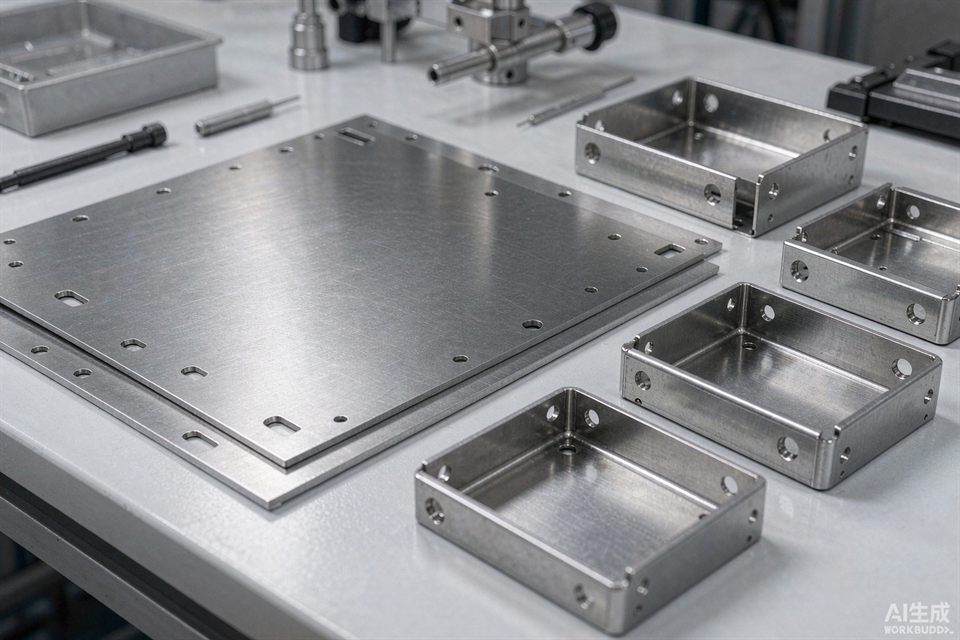
Four parts and material lists
| Part / Component | Recommended Grade | Specifications / Thickness | Surface | Main Failure Modes | Reference Standards |
|---|---|---|---|---|---|
| Connector Shielding Housings | SUS304R-1/2H (Bend)/SUS304R-1/4H (Dimple) | 0.15–0.5mm | 2B/Galvanized | Repetitive Insertion and Extraction Fatigue + Shielding Performance Degradation + Sweat Corrosion | GB/T 3280; IPC Connector Standards |
| Electronic Equipment Enclosures / Cabinets | 304/201 | 0.5–1.5mm | Sandblasted/Sanded | Scratches, Hand Sweat, Cleaning Agents | GB/T 3280 |
| Flexible Screen/Foldable Thin Stainless Steel Strip (Rolled Steel) | Stainless Precision Foil Sheet (304/316LBase) | ≤0.050mm; Thinnest 0.015mm; Width ≤1250mm | Bright/Flat | Repeated Folding Fatigue 200,000–500,000 cycles + Micro Wrinkles + Scratches | GB/T 41608-2022 |
| Heaters/Heat Exchangers | 304/316L | 0.2–1.0mm | 2B/Fusion Bonded Surface | Thermal Cycling Fatigue, Coolant Corrosion | GB/T 3280 |
TableClear configuration. Same parts can switch from 304 to 316L or 2205 based on usage conditions, making it easier than specifying grades directly.
Material Selection Tips
- Most common grades in this industry are 304 (3), 316L (2), and 201 (1) —— numbers in parentheses indicate the number of parts involved, useful for quoting and material ordering.
- Thickness range 0.15–1.5 mm: Thin plates are mostly formed parts (considering bend rebound and deep drawing cracking), thick plates are mostly welded structural components (considering heat input and sensitization).
Common questions
Which stainless steel is used most in the computer, communication, and electronic equipment manufacturing industry?
Total pages statistics show that 304 appears most frequently (3 times), followed by 316L (2 times) and 201 (1 time). Specific to a part still depends on the medium and temperature; for example, stainless steel countertops exposed to salt water should switch from 304 to 316L.
Which parts are most prone to issues?
Based on failure descriptions, typical examples include "Flexible screens/Foldable screens ultra-thin stainless steel strip (hand-scrappable)": fatigue cycling 20-50 million times + micro wrinkles + scratches; recommended grade Stainless Precision Foils (304/316L base), ≤0.050mm thickness; ≤0.015mm thinness; width ≤1250mm. For this condition, it's recommended to specify medium concentration, temperature, and cleaning method in the design phase.
What thickness should I choose?
The listed thickness range is 0.15–1.5 mm. Thin plates consider forming and surface quality, thick plates consider welding and structural strength; different manufacturers may have different values for the same part based on your drawings or conditions. Review these according to your needs.
Related Materials and Adjacent Industries
Applications4