
C41 · Miscellaneous Manufacturing
Other Manufacturing (Household Goods/Lighting/Glasses etc.) Stainless Steel Sheets: 304/201 Selection and 3 Part Lists
For Other Manufacturing (Household Goods/Lighting/Glasses etc.), We Have Organized Three Parts Using Stainless Steel: Commonly Used 304 / 201 / 430, Thickness Ranging from 0.2–2 mm.
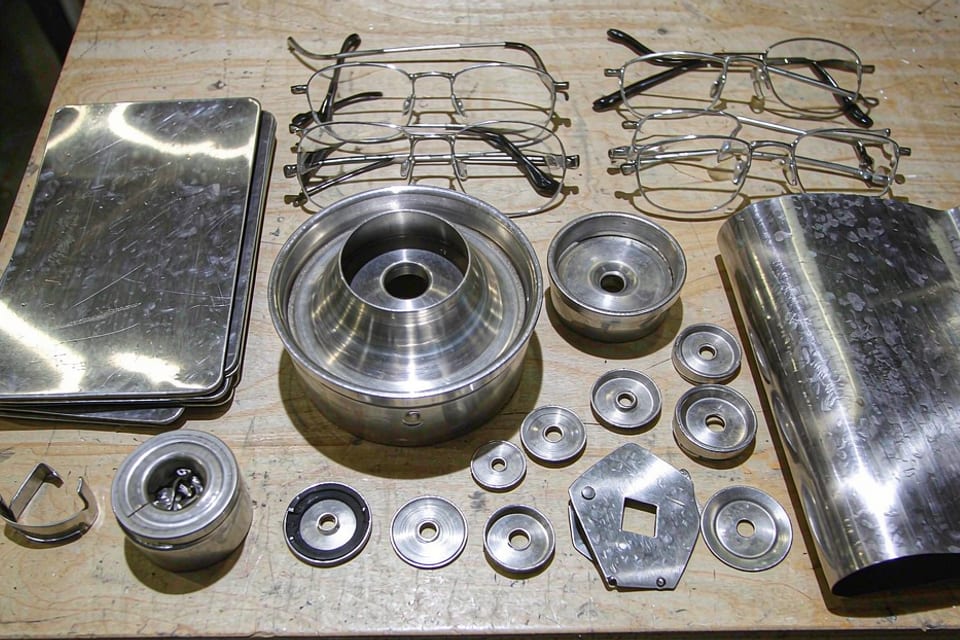
Three Parts and Material Lists
| Part / Component | Recommended Grade | Specifications / Thickness | Surface | Main Failure Modes | Reference Standards |
|---|---|---|---|---|---|
| Insulated Bottle/Coffee Mug/Hot Box | 304/201 | 0.3–1.0mm | 2B/Diamond Polishing/Electrolysis | Food Contact+Cleaning+Scratches | GB/T 3280;GB 4806.9 |
| Light Fixture Shell/Reflectors/Stands | 304/201/430 | 0.3–1.5mm | 2B/Diamond Polishing/Rustproof Coating | Outdoor Atmosphere+Ultraviolet+Heat Cycling | GB/T 3280;GB 7000 |
| Material for Eyeglasses/Watches/Jewelry | 304/316L | 0.2–2mm | Mirror/Satin/Glitter | Sweat/Friction/Appearance Scratches | GB/T 3280;QB/T Jewelry Standard |
Inside the CaseStandard ConfigurationSpecify usage conditions instead of directly naming grades, it's more convenient.
Selection Tips
- What are the most common grades in this industry?
- Thickness range: 0.2–2 mm
Common issues
Which stainless steel is used most by other manufacturing industries (e.g., household goods, lighting, eyewear)?
Top 3 parts with highest occurrences: 304(3), 201(2), 430(1)
Thick plates are mostly welded structures (considering heat input and sensitization), thin plates are mostly formed parts (considering bending rebound and deep drawing cracking).
Common questions
What stainless steel is used most by other industries like household goods, lighting, or eyewear?
Which part has the highest occurrence based on total records: 304(3), 201(2), 430(1)?
Specific to a certain component depends on the medium and temperature. For example, stainless steel countertops that come into contact with salt water should switch from 304 to 316L.
201Which part is most prone to issues?304Based on failure descriptions, typical examples are "lighting fixture shells/reflectors/supports": outdoor atmosphere + UV exposure + thermal cycling; recommended grades: 304/201/430, thickness range: 0.3–1.5 mm. For these conditions, it's recommended to specify the medium concentration, temperature, and cleaning method in the design phase.430What thickness should I choose?316LThe listed thickness range is 0.2–2 mm. Thin plates are considered for forming and surface quality, thick plates for welding strength; different manufacturers may have varying values for the same part based on your drawings or operating conditions. Recheck with your specific requirements.Related materials and adjacent industriesFood ProcessingMaterial and specificationsFood ManufacturingManufacturing of Wine, Beverages, and Prepared TeaBeverage & Brewing
Applications3